


Description
Do you have a Robeson USMC WWII knife to sell? Or a collection of premium World War 2 knives to sell? St. Croix Blades will buy your collection. We will travel to you. https://stcroixblades.com/contact-us/
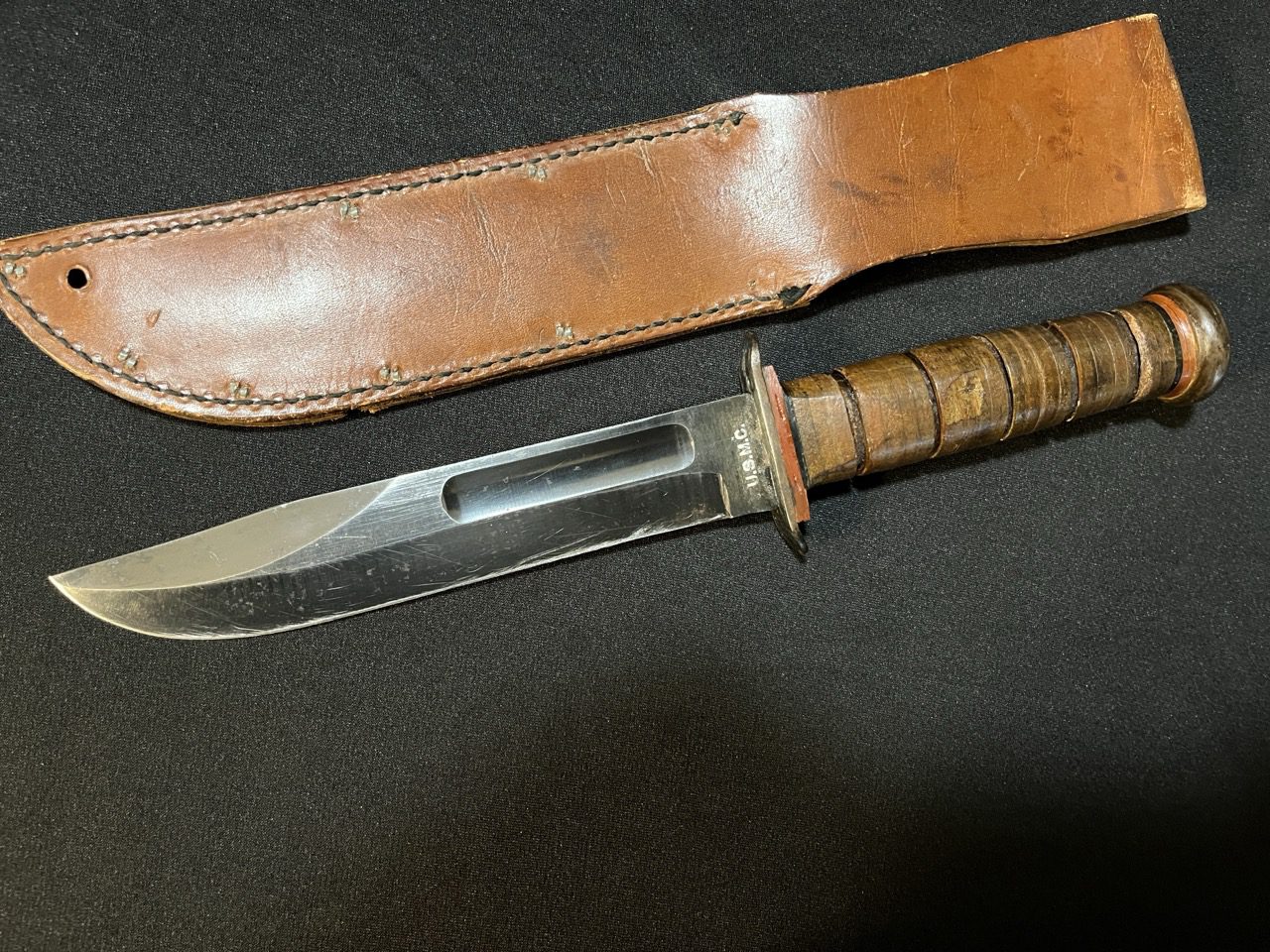
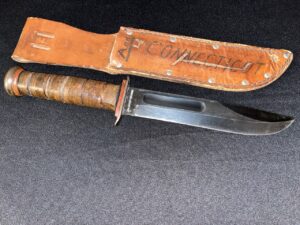
A Robeson USMC WWII knife in this condition rarely comes along.
In fact, this example stands among the very best Robeson USMC Mark 2 knives you will ever see. Because of its rarity and condition, this knife would make an important addition to any serious collection.
Knife & Scabbard Details
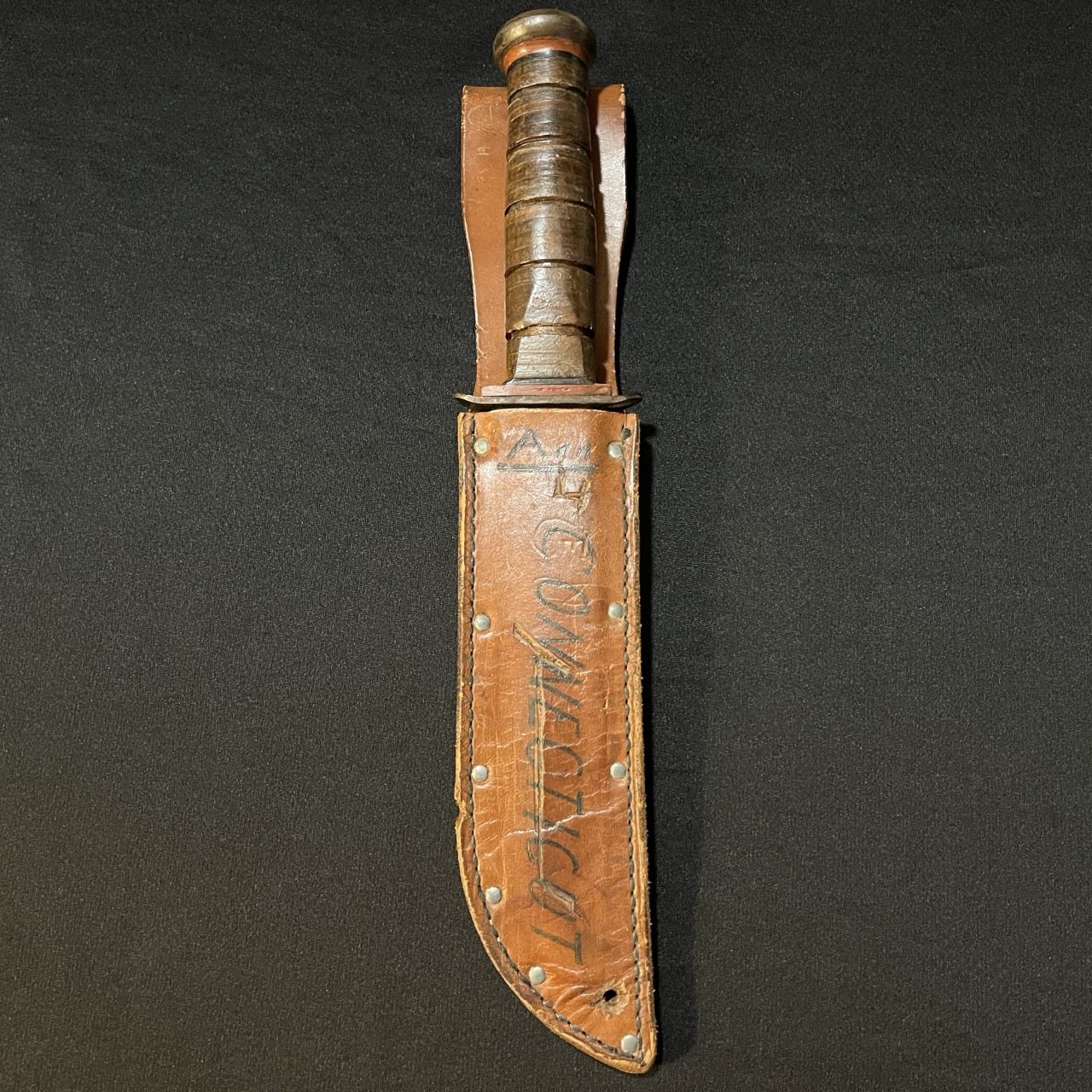
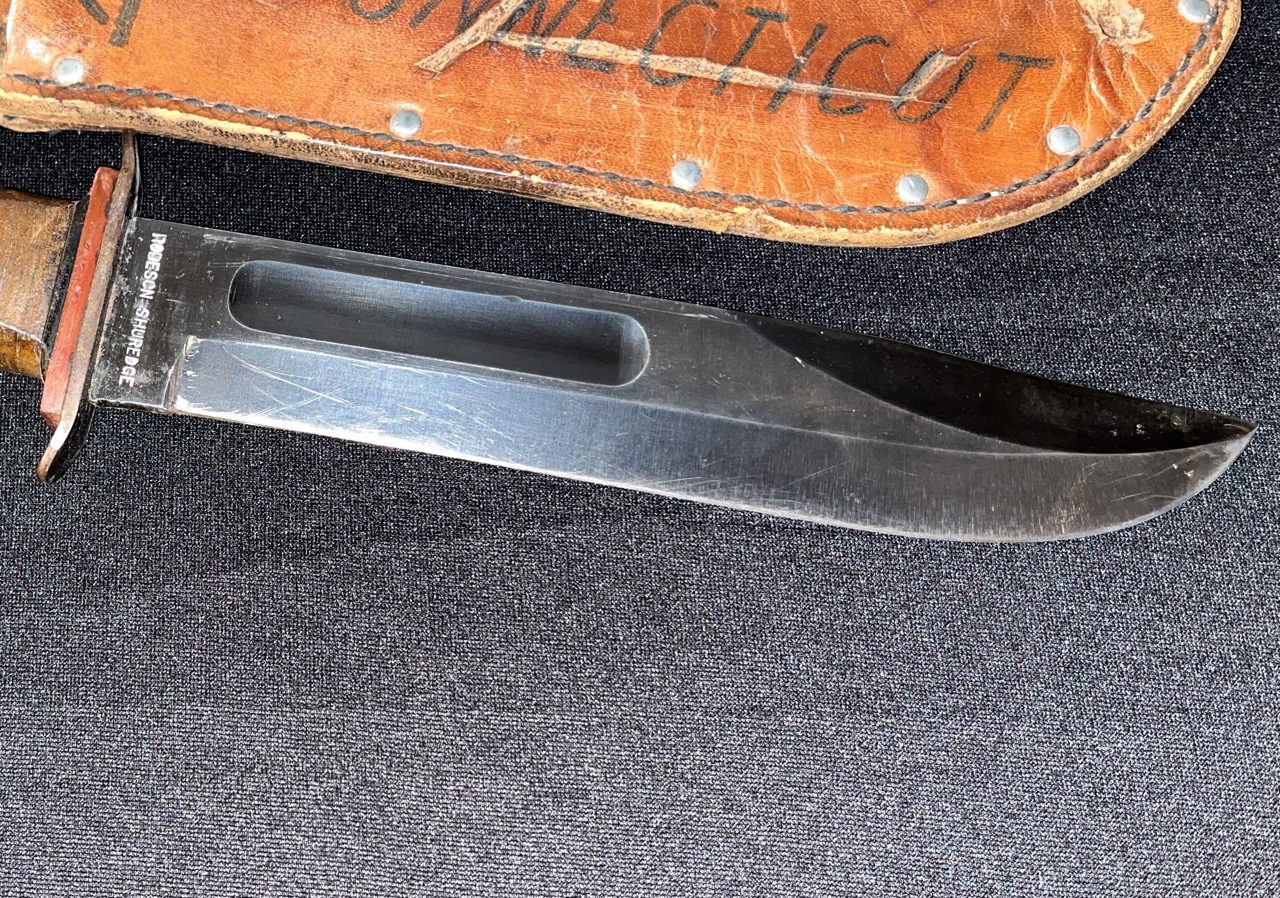
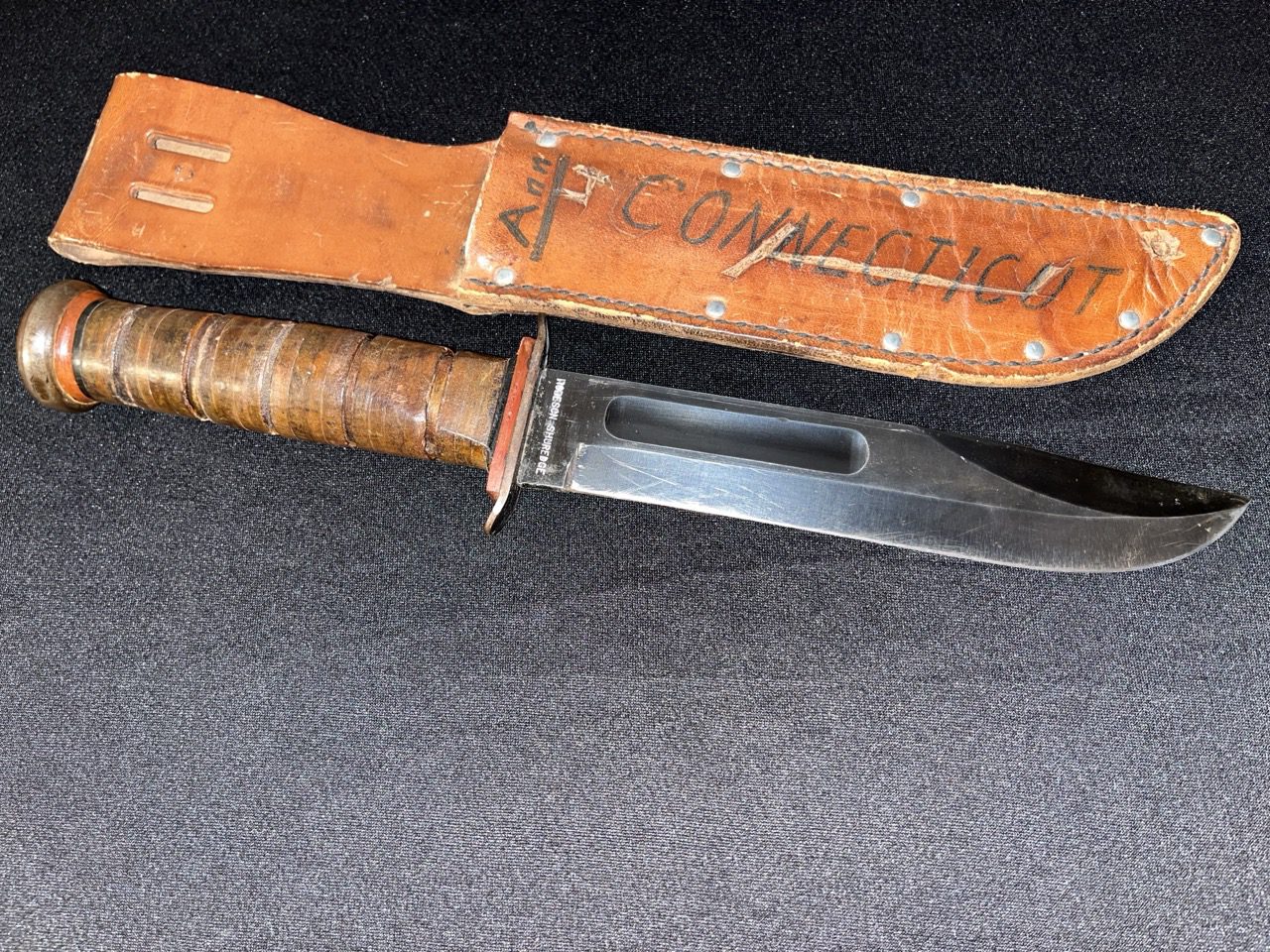
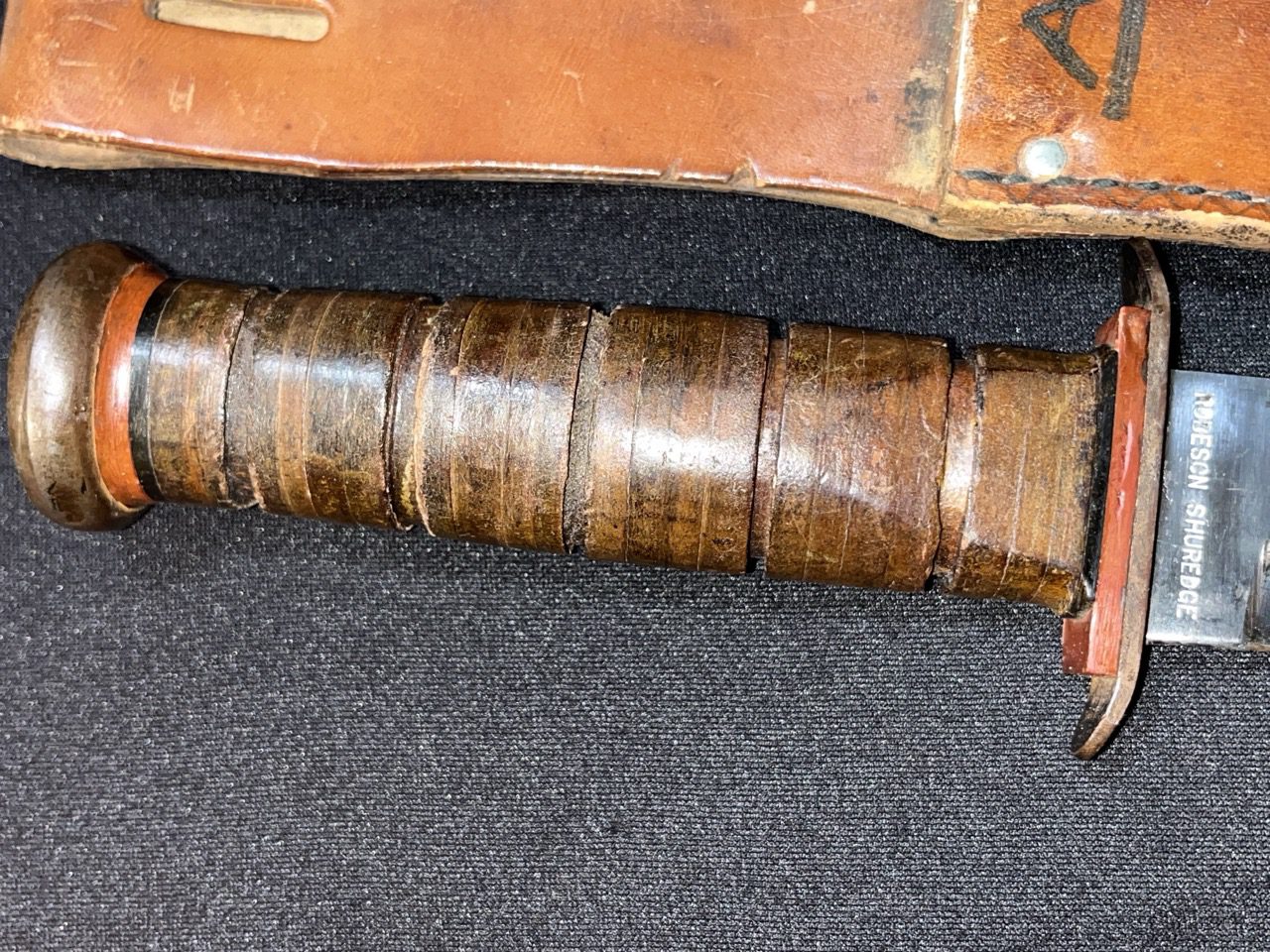
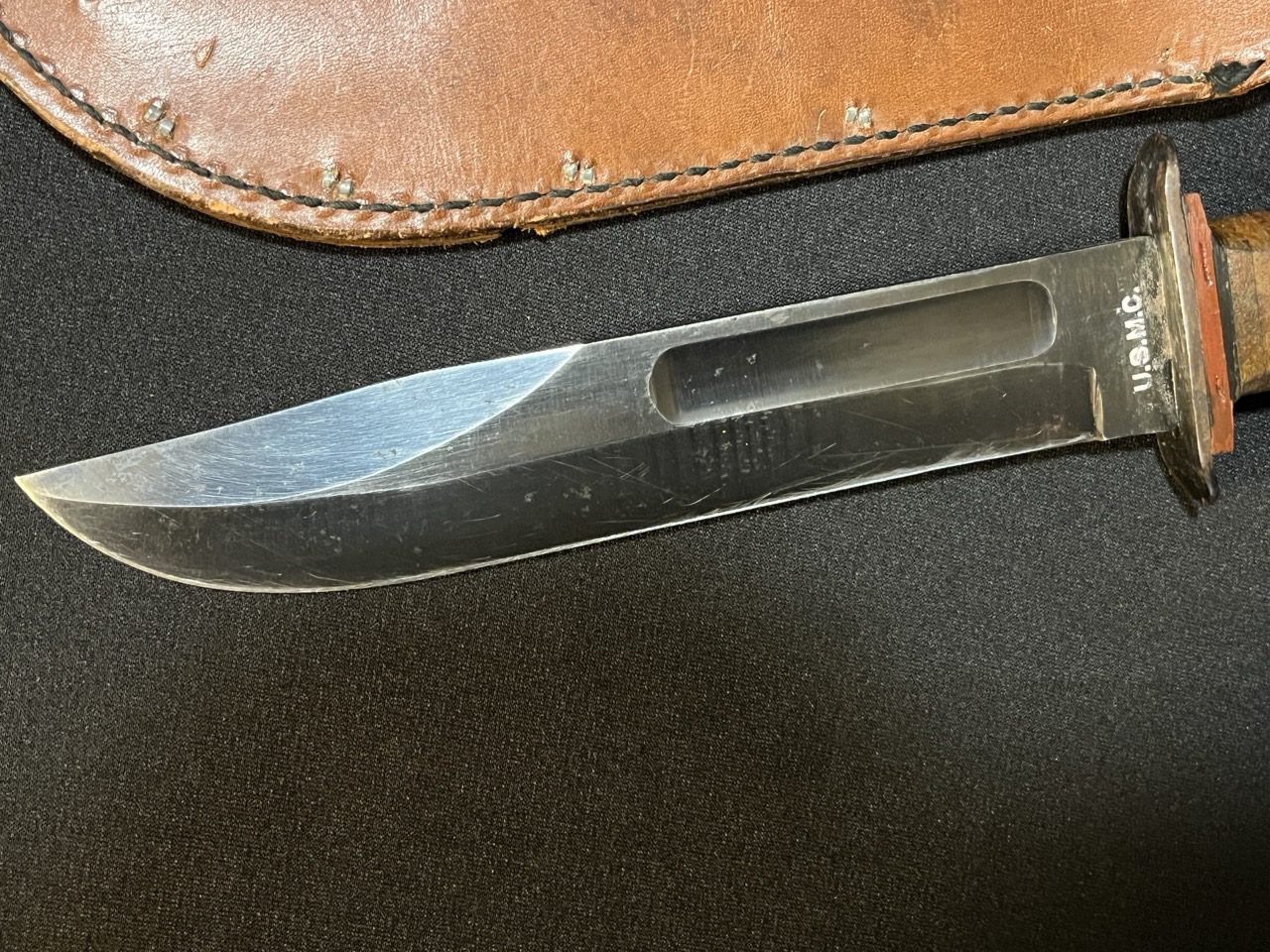
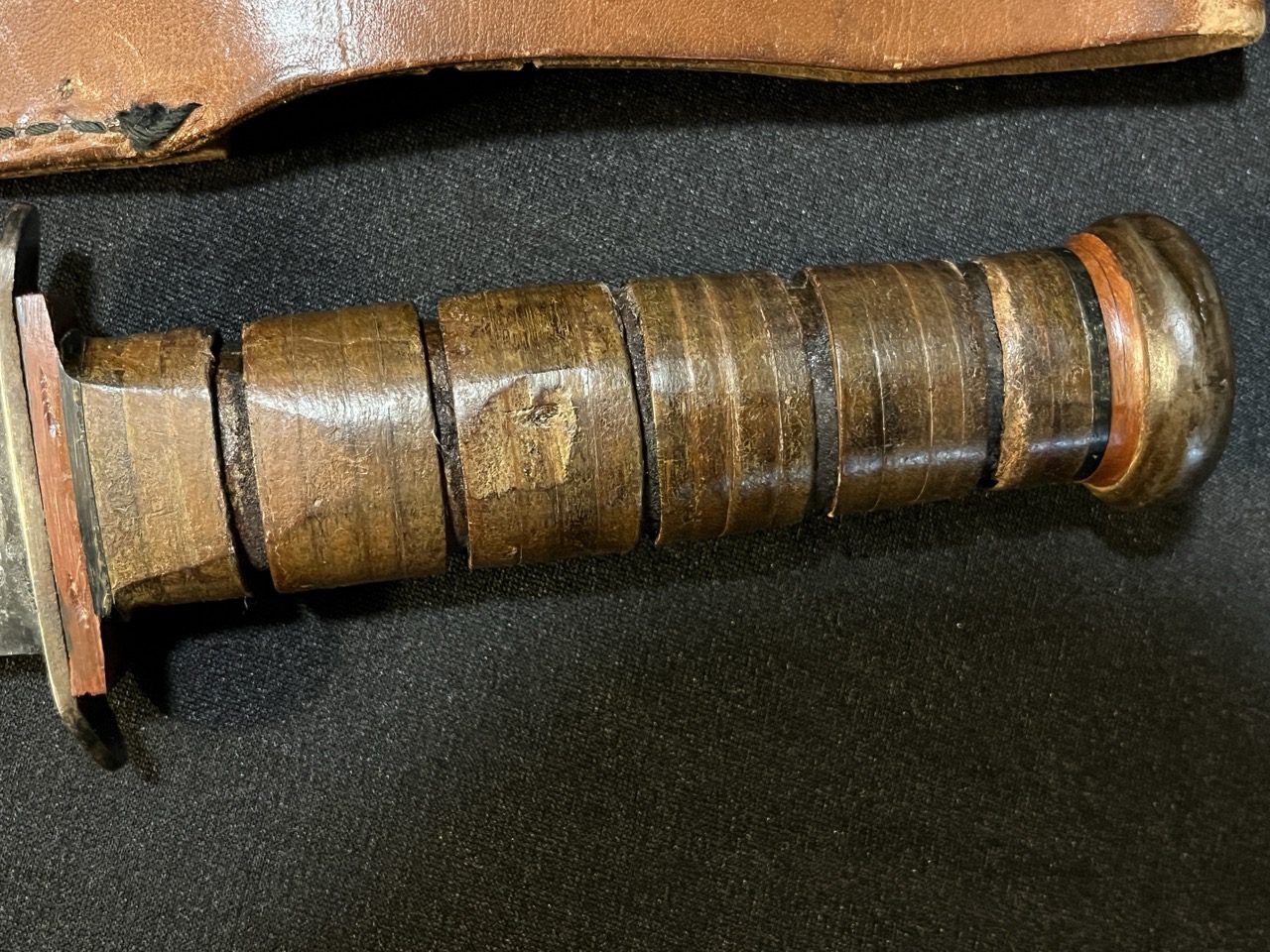
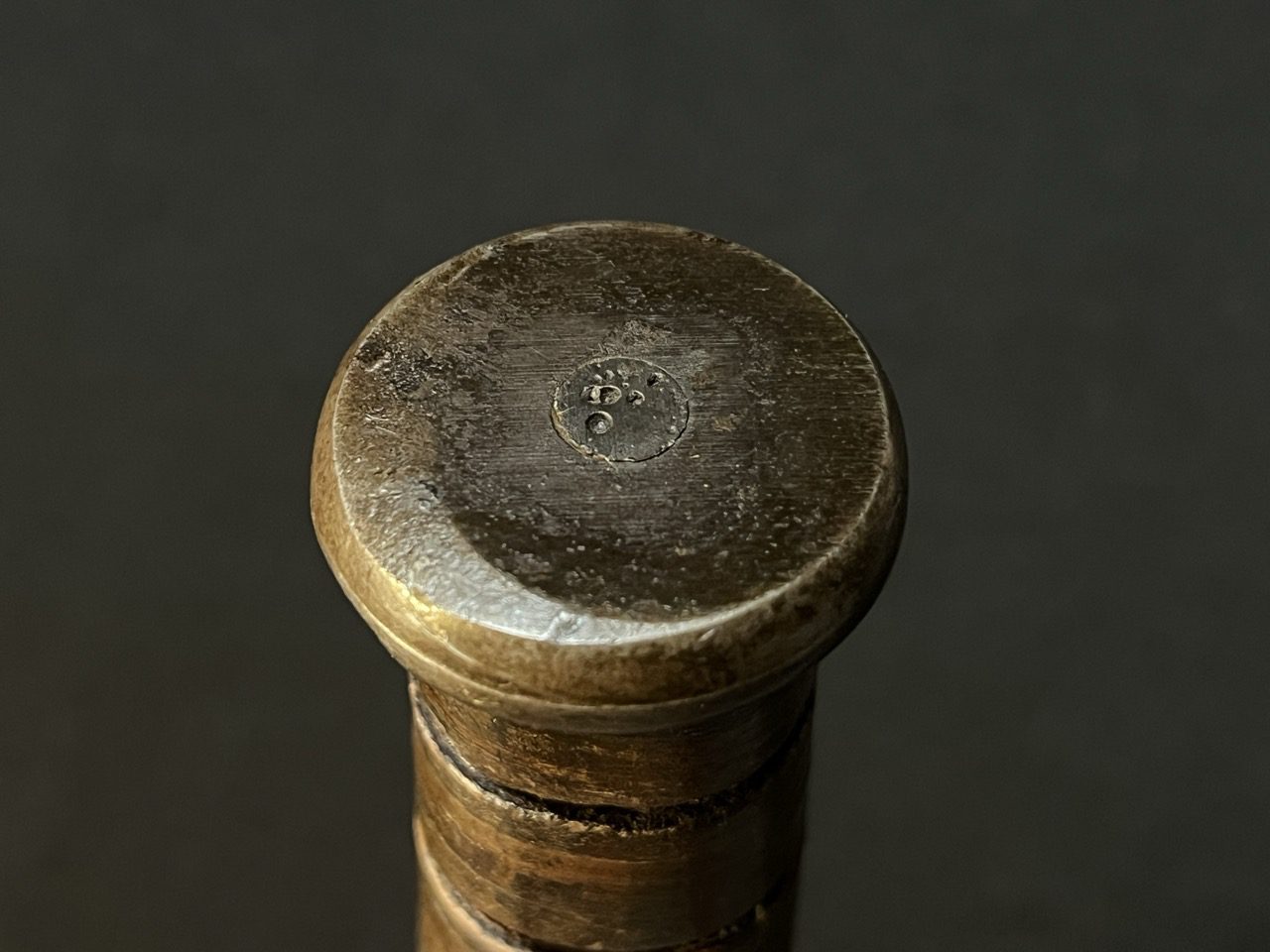
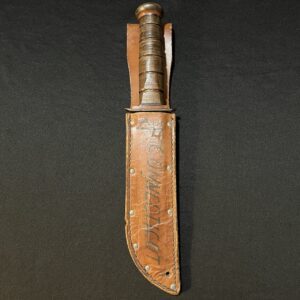
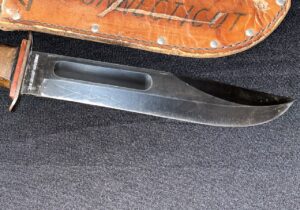
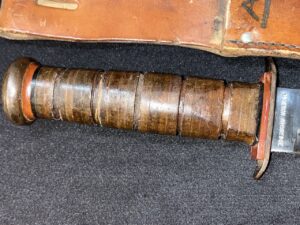
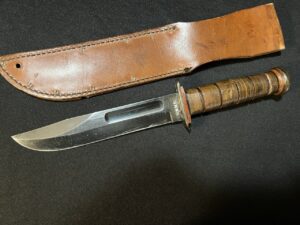
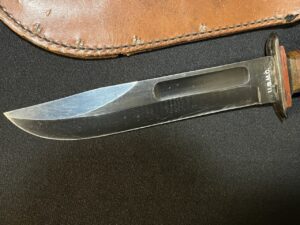
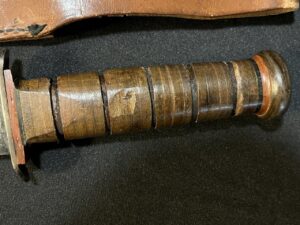
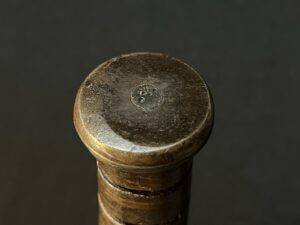
The scabbard retains its correct black stitching. Likewise, the knife features its correct welded pommel and an exceptionally preserved blued blade.
Notably, handwritten on the front of the sheath appears to be the Marine’s sweetheart’s name and hometown: “Ann, CONNECTICUT.” This personal detail adds strong wartime character and provenance.
Historical Use
During World War II, servicemen carried Mark 2 fighting knives extensively in the Pacific Theater. As a result, authentic examples with untouched features have become increasingly scarce.
WWII Production & Identification
WWII Production:
Robeson produced these knives under U.S. government contract, primarily between 1943 and 1944.
Rarity:
Collectors consider Robeson-made USMC knives the rarest of the original Mark 2 fighting knives. In fact, some estimates place total production as low as 10,000 units marked “U.S.M.C.”
Markings:
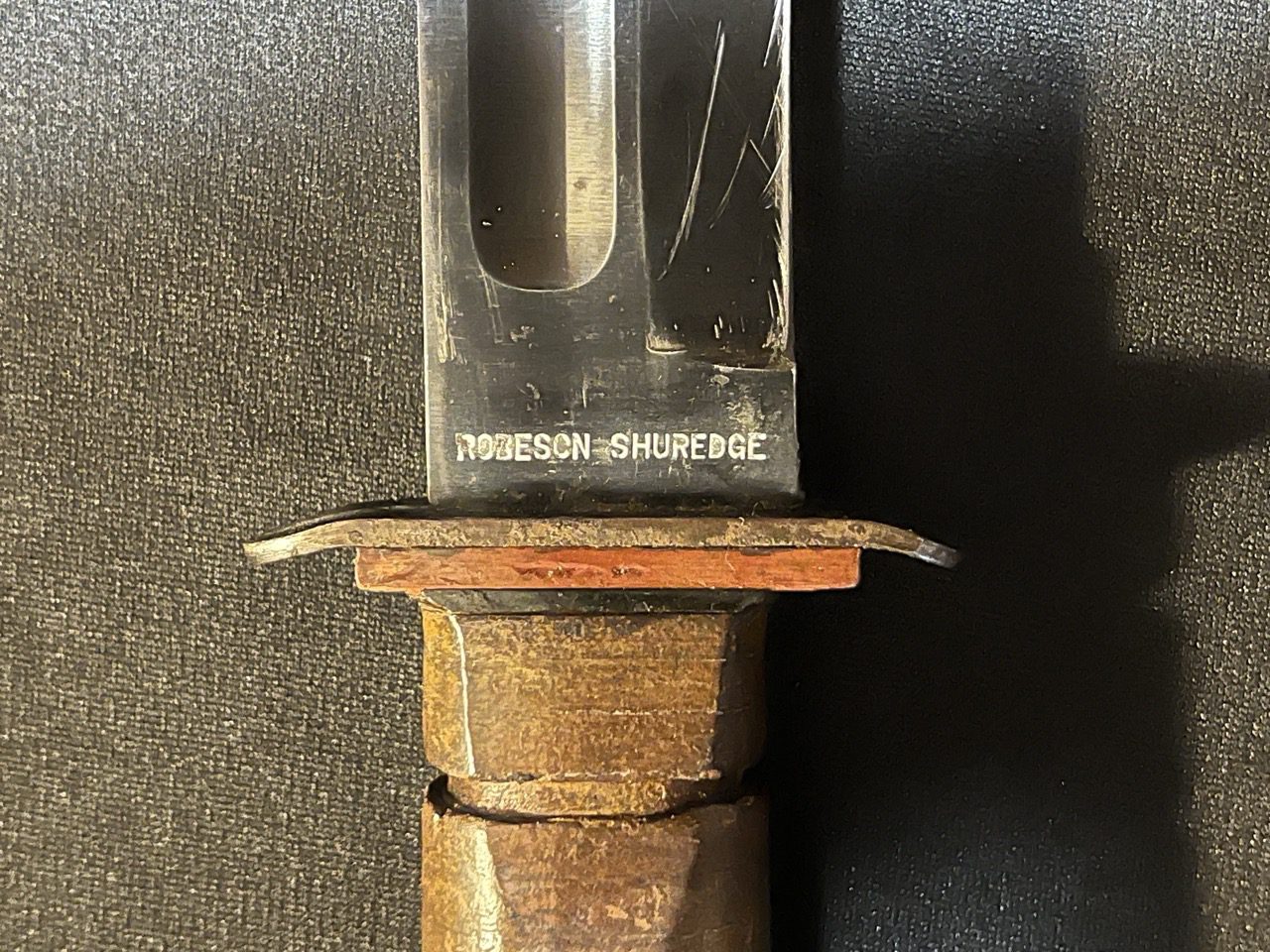
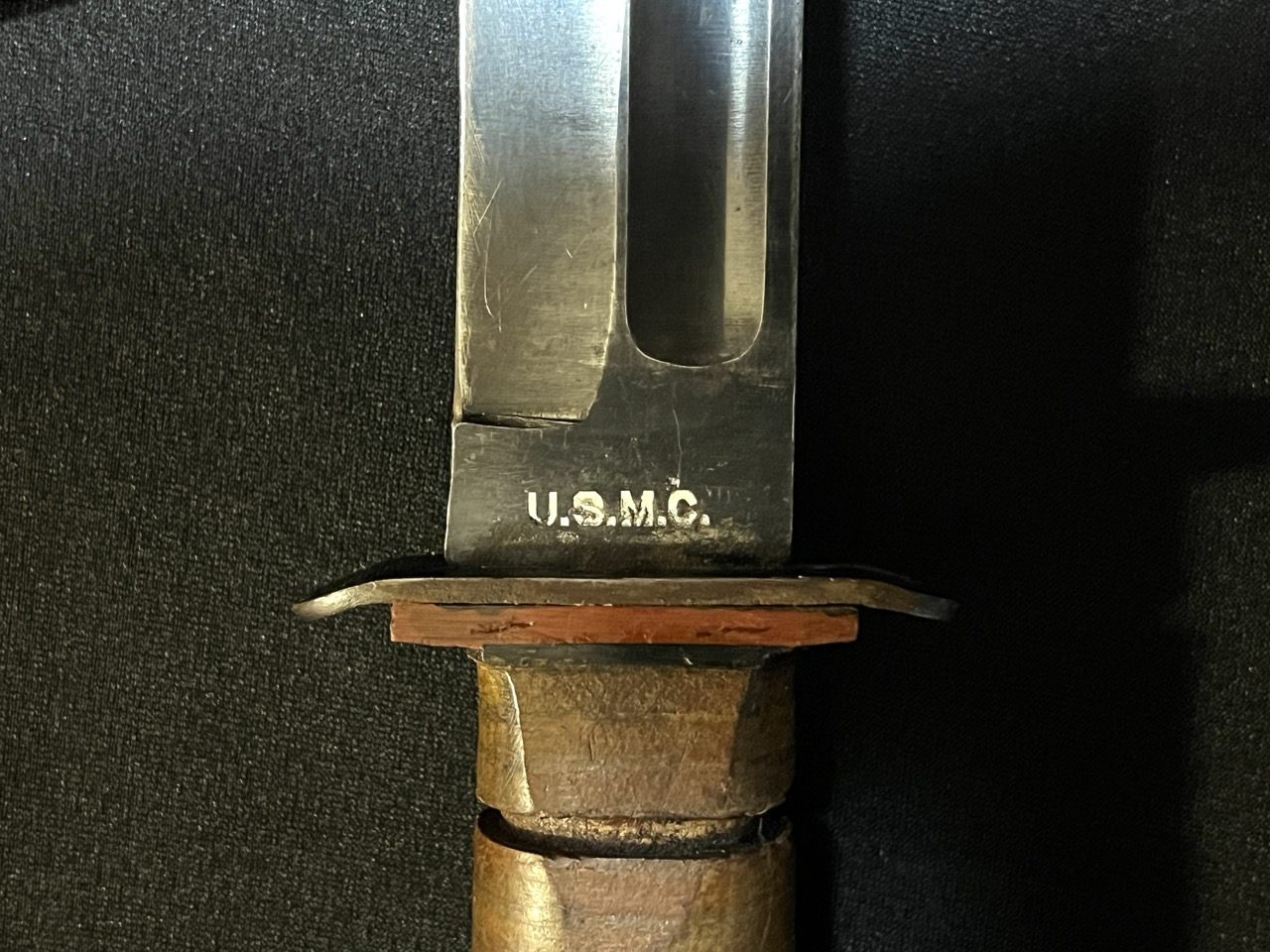
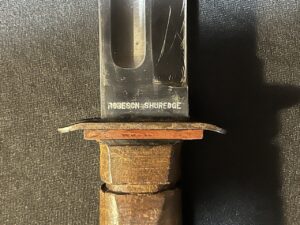
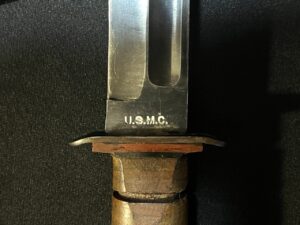
Typically, the blade bears the “Robeson Shuredge” stamp on one side and “U.S.M.C.” on the reverse.
Collectibility
Simply put, this knife represents the holy grail of U.S. Mark 2 fighting knives.
Condition
This Robeson USMC knife remains in truly unbelievable condition—without question, one of the finest examples you will ever encounter. The blade retains approximately 99% of its original bluing, and the original factory grind lines remain perfectly visible.
Additionally, the welded pommel is absolutely textbook.
Ultimately, the only reason the longtime collector released this knife from his collection was the removal of the keeper strap by the veteran who originally carried it.


